
Architectural Lighting
Architectural Lighting
Architectural lighting plays a crucial role in shaping the visual identity and ambiance of buildings, both inside and out. It goes beyond simply providing illumination; it’s about strategically using light to highlight architectural features, create focal points, and evoke specific moods. From accentuating the texture of a building’s facade to creating a welcoming atmosphere in a lobby, architectural lighting enhances the overall design and experience of a space. Effective architectural lighting considers not only the aesthetic aspects but also functionality, energy efficiency, and the integration of light with the surrounding environment. Ultimately, well-designed architectural lighting transforms buildings into captivating works of art, enriching the urban landscape and enhancing the quality of our built environment.
Architectural lighting enhances a building's design and creates ambiance by strategically illuminating its key features and spaces.
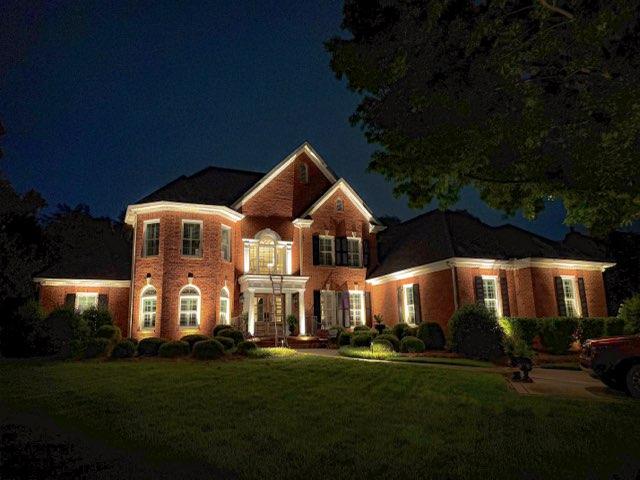
The Art of Architectural Lighting
The art of architectural lighting lies in its ability to transform spaces, evoking emotions and highlighting design through the strategic interplay of light and shadow.
- Understanding Light and Shadow: Mastering the interplay of light and shadow to create depth, texture, and drama within a space. This includes considering the direction, intensity, and color of light.
- Highlighting Architectural Features: Using light to accentuate key architectural elements, such as columns, arches, textures, and details, revealing their beauty and form.
- Creating Ambiance and Mood: Employing lighting techniques to evoke specific emotions and atmospheres, whether it's a warm and inviting residential space or a sophisticated and professional commercial environment.
- Layering Light: Combining different types of lighting (ambient, task, accent) to create a layered and dynamic lighting scheme that is both functional and visually appealing.
- Considering Color Temperature: Selecting the appropriate color temperature of light to complement the materials, finishes, and overall design aesthetic of the space. Warm light creates a cozy atmosphere, while cool light feels more modern and energetic.
- Free Estimate
Reach out to us and schedule a free design consultation!
Fill out the form and someone will be in contact with you shortly to schedule complimentary design consultation!