
The Emotional Spectrum of Light: How Lighting Impacts Our Moods and Minds
Light is more than just a source of illumination; it’s a powerful force that shapes our emotions, influences our behavior, and even impacts our physical health. From the warm glow of a campfire to the crisp brightness of a fluorescent office, the lighting around us plays a subtle yet significant role in how we perceive the world and ourselves. Understanding the complex relationship between light and emotion can help us design spaces that promote well-being, productivity, and positive experiences.
The Science Behind the Glow
The impact of light on our emotions is rooted in our biology. Our bodies are governed by a roughly 24-hour cycle known as the circadian rhythm, which is primarily regulated by light exposure. Light entering our eyes signals the brain to suppress the production of melatonin, a hormone that promotes sleepiness, and increase the release of serotonin, a neurotransmitter associated with feelings of happiness and well-being. This is why exposure to natural sunlight is often associated with improved mood and increased energy levels.
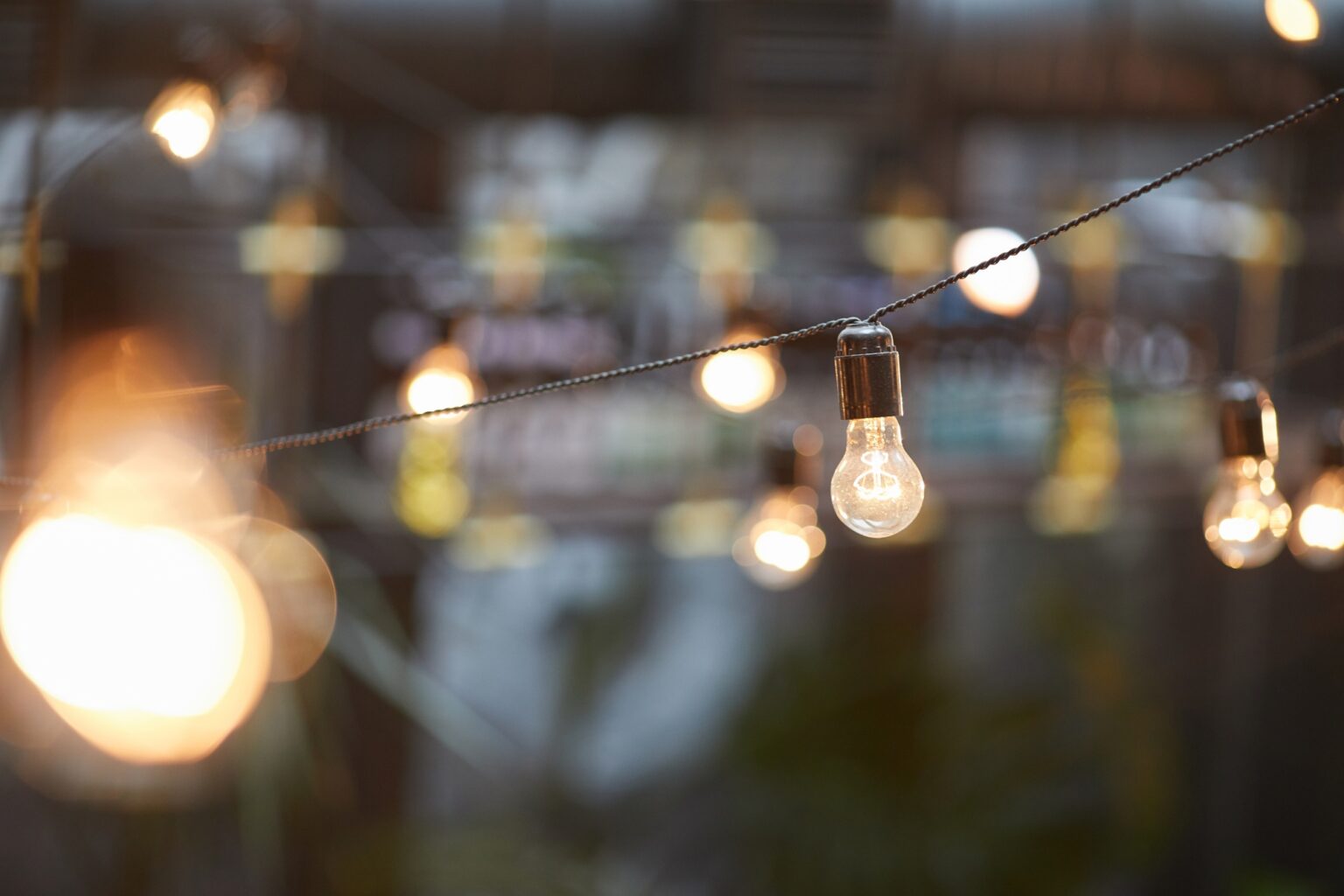
However, not all light is created equal. The color temperature of light, measured in Kelvin (K), also plays a crucial role in its emotional impact. Warm light, with a lower color temperature (2,700-3,000 K), emits a yellowish glow and is often associated with relaxation and comfort. Think of the cozy ambiance of candlelight or the warm hues of a sunset. On the other hand, cool light, with a higher color temperature (5,000-6,500 K), emits a bluish glow and is linked to alertness and productivity. This is why cool, bright lights are often used in offices and classrooms.
The Emotional Palette of Light
Different types of lighting can evoke a wide range of emotions:
- Bright, cool light: This type of light can increase alertness, focus, and productivity. It’s often used in workspaces, hospitals, and schools to promote concentration and efficiency. However, excessive exposure to bright, cool light, especially in the evening, can disrupt sleep patterns and negatively impact mood.
- Dim, warm light: This type of light creates a relaxing and intimate atmosphere. It’s often used in restaurants, bedrooms, and living rooms to foster a sense of comfort and coziness. Dim, warm light can also promote social interaction and create a sense of intimacy.
- Natural light: Exposure to natural sunlight is essential for maintaining a healthy circadian rhythm and promoting overall well-being. Natural light can improve mood, increase energy levels, and even boost cognitive function. Whenever possible, incorporating natural light into our living and working spaces is crucial for emotional and physical health.
- Colored light: Different colors of light can evoke specific emotions. For example, blue light is often associated with calmness and tranquility, while red light can be stimulating and energizing. Green light is often linked to nature and feelings of peace, while yellow light can promote happiness and optimism.
Lighting Design for Emotional Well-Being
Understanding the emotional impact of lighting can help us create spaces that promote specific moods and experiences. Here are some tips for using lighting to enhance emotional well-being:
- Layer your lighting: Combining different types of lighting, such as ambient, task, and accent lighting, can create a more dynamic and visually appealing space. Layered lighting also allows for greater control over the mood and atmosphere of a room.
- Consider the color temperature: Choose light bulbs with a color temperature that aligns with the desired mood. Warm light is ideal for creating a relaxing atmosphere, while cool light is better suited for promoting focus and productivity.
- Maximize natural light: Whenever possible, design spaces to maximize the use of natural sunlight. This can be achieved through the use of large windows, skylights, and reflective surfaces.
- Use dimmers: Installing dimmer switches allows for greater control over the intensity of light, making it easy to adjust the ambiance of a room to suit different moods and activities.
- Personalize your lighting: Experiment with different types of lighting and find what works best for you. Consider your personal preferences, as well as the specific needs of the space.
The Future of Light and Emotion
As our understanding of the relationship between light and emotion grows, so too does our ability to harness the power of light to improve our lives. Emerging technologies, such as smart lighting systems and personalized lighting solutions, are paving the way for a future where lighting can be tailored to individual needs and preferences. Imagine a world where your lights automatically adjust throughout the day to optimize your mood, energy levels, and sleep patterns. This is the promise of the future of light and emotion.
Conclusion
In conclusion, light is a powerful force that shapes our emotions, influences our behavior, and impacts our overall well-being. By understanding the complex relationship between light and emotion, we can design spaces that promote positive experiences, enhance productivity, and support our physical and mental health. As technology continues to advance, the possibilities for using light to improve our lives are endless.
Share :