
Illuminating the Difference: Downlighting vs. Uplighting for Outdoor Spaces
Outdoor lighting is more than just a functional necessity; it’s a powerful tool for enhancing curb appeal, creating ambiance, and ensuring safety. Two fundamental techniques, downlighting and uplighting, offer distinct aesthetic and practical benefits, each playing a crucial role in shaping the visual narrative of homes and businesses. Understanding the nuances of these lighting approaches is essential for crafting a well-balanced and effective outdoor illumination plan.
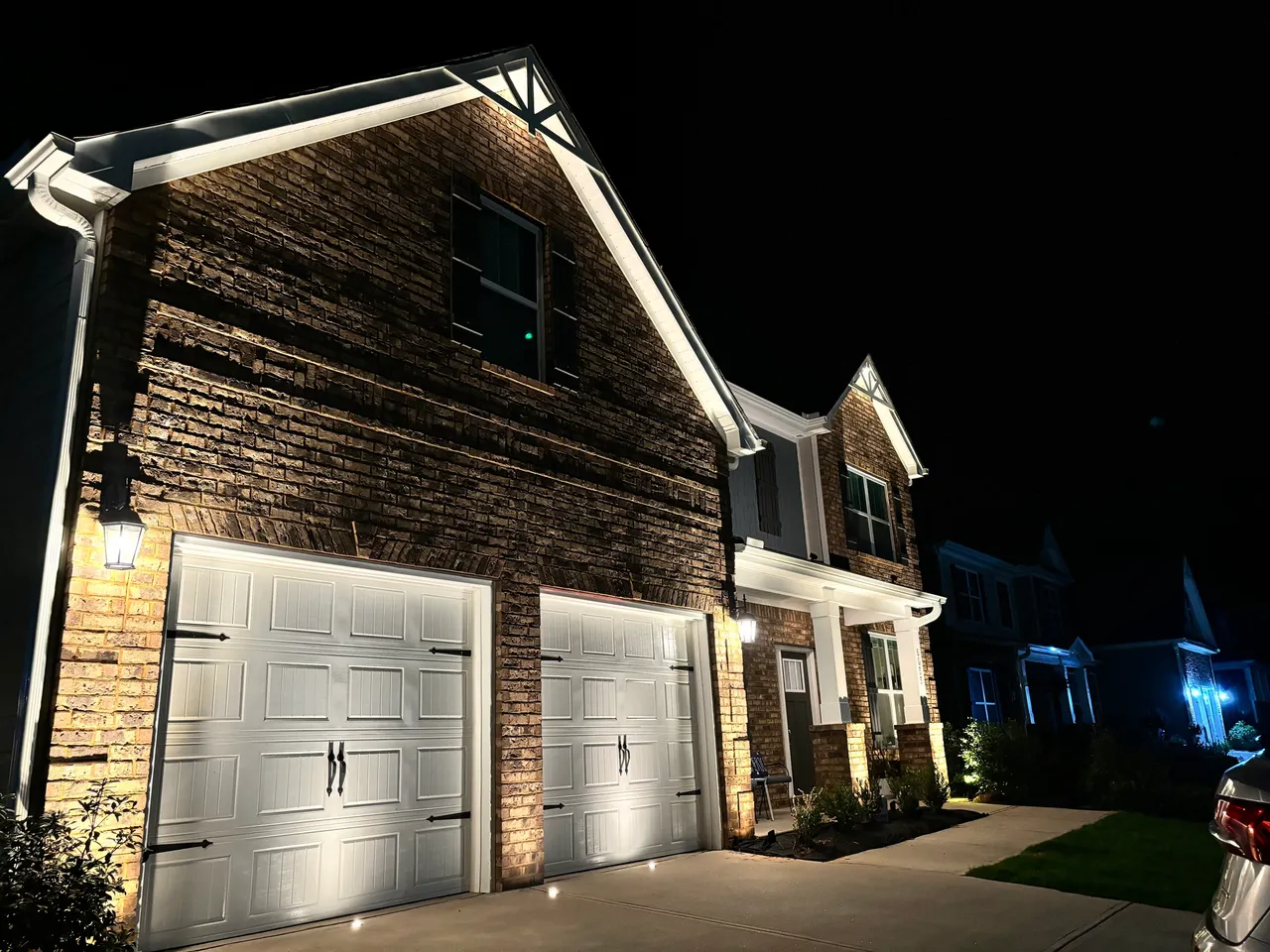
Downlighting: Mimicking Moonlight for Practicality and Elegance
Downlighting, as the name suggests, involves positioning light fixtures above a target area and directing the light downwards. This technique emulates natural moonlight, creating a soft, diffused illumination that feels natural and inviting. Its primary function is to provide practical lighting for pathways, driveways, patios, and other functional spaces.
Key Characteristics of Downlighting:
- Practicality: Downlighting is ideal for illuminating walkways, steps, and entrances, ensuring safe navigation at night. It provides clear visibility, minimizing the risk of accidents and fostering a sense of security.
- Subtlety: When done correctly, downlighting creates a gentle, ambient glow, avoiding harsh glare and light pollution. Fixtures are often shielded or recessed to direct light precisely where it’s needed.
- Emphasis on Ground Features: Downlights highlight ground-level features like landscaping, patios, and architectural details close to the ground.
- Security: By illuminating potential hiding spots and deterring intruders, downlighting enhances the security of a property.
Types of Downlighting Fixtures:
- Path Lights: Low-level fixtures designed to illuminate walkways and garden paths.
- Floodlights: Wide-beam fixtures used for general area lighting, often mounted on eaves or poles.
- Can Lights/Recessed Lights: Installed in soffits or ceilings to provide focused downlighting.
- Post Lights: Mounted on posts along driveways or pathways, providing both illumination and decorative appeal.
Uplighting: Dramatic Accents and Architectural Emphasis
Uplighting, conversely, involves placing light fixtures at ground level and directing the light upwards towards a specific feature. This technique creates a dramatic effect, highlighting vertical elements and adding visual interest.
Key Characteristics of Uplighting:
- Architectural Highlighting: Uplighting is perfect for showcasing the architectural features of a building, such as columns, facades, and rooflines. It adds depth and dimension, transforming a structure into a captivating focal point.
- Landscape Accentuation: Trees, shrubs, and other landscape elements can be dramatically enhanced with uplighting. It creates a sense of depth and texture, adding visual appeal to the outdoor environment.
- Dramatic Effect: Uplighting creates a sense of drama and grandeur, adding a touch of sophistication to any property.
- Visual Interest: It can be used to create visual interest and highlight unique textures and forms.
Types of Uplighting Fixtures:
- Well Lights: Recessed fixtures installed in the ground, providing a subtle and unobtrusive uplighting effect.
- Bullet Lights: Adjustable fixtures that can be used to direct a focused beam of light onto specific features.
- Floodlights: Used for wider uplighting applications, such as illuminating large trees or building facades.
- Spotlights: Providing a narrow beam for highlighting specific details.
The Synergistic Relationship: Combining Downlighting and Uplighting
The most effective outdoor lighting designs often incorporate both downlighting and uplighting, creating a balanced and harmonious illumination scheme. When used in conjunction, these techniques can complement each other, enhancing both practicality and aesthetics.
How to Combine Downlighting and Uplighting Effectively:
- Layering Light: Use downlighting to provide general illumination and uplighting to highlight specific features. This layered approach creates depth and dimension, adding visual interest.
Balancing Light Levels: Ensure that the light levels from downlights and uplights are balanced to avoid creating harsh contrasts or glare. - Creating Focal Points: Use uplighting to create focal points, such as a specimen tree or an architectural feature, and use downlighting to guide the eye towards those points.
- Considering the Environment: Take into account the surrounding environment, such as the size and shape of the property, the existing landscaping, and the architectural style of the building.
- Minimizing Light Pollution: Use shielded fixtures and direct light precisely where it’s needed to minimize light pollution and preserve the night sky.
- Safety First: Prioritize downlighting in areas where safety is a concern, such as walkways and entrances. Uplighting can be used to enhance security by illuminating potential hiding spots.
- Control Systems: Install dimmers and timers to control the intensity and duration of the lighting, allowing for flexibility and energy efficiency.
Applications in Homes and Businesses:
- Homes: Downlighting can be used to illuminate pathways, driveways, and patios, while uplighting can highlight architectural features, trees, and gardens.
- Businesses: Downlighting can create a welcoming and safe environment for customers, while uplighting can enhance the visibility of signage and architectural features, attracting attention and creating a professional image. Restaurants can create very specific ambiances utilizing both types of lighting.
- Hospitality: Hotels and resorts can use a combination of downlighting and uplighting to create a luxurious and inviting atmosphere, enhancing the guest experience.
Conculsion
By understanding the distinct characteristics and benefits of downlighting and uplighting, homeowners and business owners can create outdoor lighting designs that are both functional and visually appealing. A well-designed lighting plan can transform a property, enhancing its curb appeal, creating a welcoming atmosphere, and ensuring safety and security.
Share :