
Orchestrating Light: Mastering Lighting Compositions for Outdoor Spaces
Outdoor lighting, when masterfully executed, is akin to a symphony, where different lighting compositions harmonize to create a captivating and functional environment. Just as a musical piece relies on melody, harmony, and rhythm, effective outdoor lighting utilizes ambient, task, and accent lighting to achieve visual depth, practicality, and aesthetic appeal. Understanding these core lighting compositions is essential for crafting compelling outdoor lighting designs for homes and businesses alike.
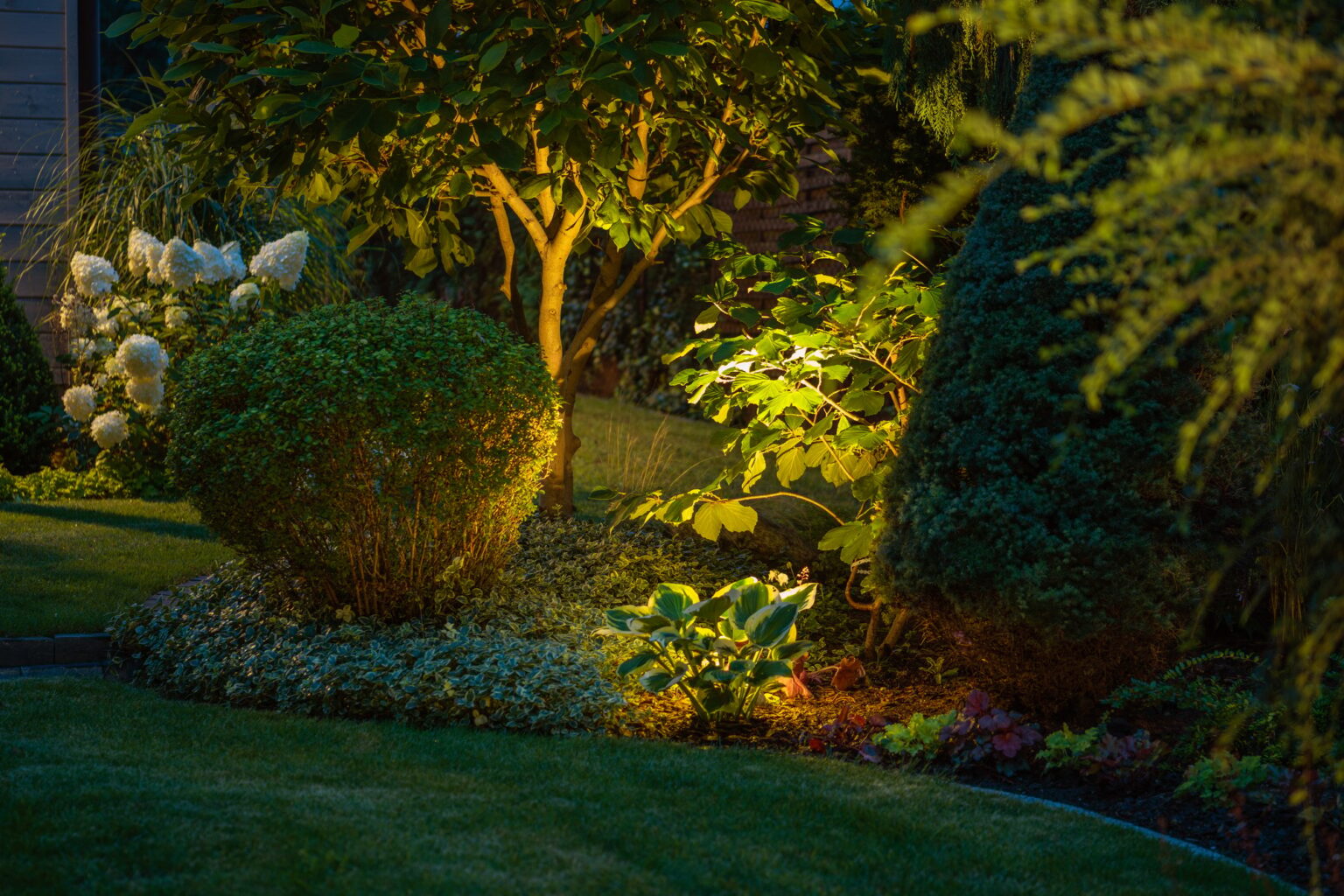
The Three Pillars of Outdoor Lighting Composition:
1. Ambient Lighting (General Illumination):
Ambient lighting, also known as general lighting, provides the overall illumination of an outdoor space. It sets the mood, creates a sense of safety, and ensures comfortable visibility. Think of it as the foundational layer, the canvas upon which other lighting elements are painted.
Characteristics:
- Soft, diffused light that minimizes harsh shadows and glare.
- Provides a comfortable level of illumination for general activities.
- Creates a welcoming and inviting atmosphere.
- Often achieved through downlighting techniques, such as path lights, post lights, and wide-beam floodlights.
Applications:
- Illuminating pathways, driveways, and patios for safe navigation.
- Providing general illumination for outdoor dining areas and gathering spaces.
- Creating a sense of security around the perimeter of a property.
- Washing building facades with a soft, even glow.
Considerations:
- Avoid excessive brightness that can lead to light pollution and discomfort.
- Use warm color temperatures to create a cozy and inviting atmosphere.
- Ensure that the ambient lighting is balanced and evenly distributed throughout the space.
2. Task Lighting (Functional Illumination):
Task lighting provides focused illumination for specific activities, enhancing visibility and safety. It’s the practical element that ensures tasks can be performed comfortably and efficiently outdoors.
Characteristics:
- Focused and directional light that illuminates a specific area.
- Provides sufficient illumination for tasks such as grilling, reading, or working.
- Often achieved through adjustable fixtures, such as spotlights or directional downlights.
Applications:
- Illuminating outdoor kitchens and grilling areas.
- Providing focused light for outdoor workspaces and workshops.
- Highlighting steps and other potential hazards for safe navigation.
- Illuminating outdoor dining tables for comfortable dining experiences.
- Illuminating keypads or door locks.
Considerations:
- Ensure that the task lighting is bright enough to provide adequate illumination without creating glare.
- Use adjustable fixtures to direct the light precisely where it’s needed.
- Consider using motion sensors or timers to control task lighting for energy efficiency.
3. Accent Lighting (Highlighting and Emphasizing):
Accent lighting is the artistic element that adds drama, visual interest, and depth to outdoor spaces. It’s used to highlight specific features, such as architectural details, landscaping elements, or water features.
Characteristics:
- Focused and directional light that highlights specific features.
- Creates visual contrast and adds depth to the landscape.
- Often achieved through uplighting, spotlights, and well lights.
Applications:
- Highlighting architectural features, such as columns, facades, and rooflines.
- Showcasing specimen trees, shrubs, and other landscape elements.
- Illuminating water features, such as fountains and ponds.
- Adding visual interest to outdoor sculptures and artwork.
- Highlighting business signage.
Considerations:
- Use accent lighting sparingly to avoid creating a cluttered or overwhelming effect.
- Choose light fixtures that complement the style and character of the property.
- Consider the color and texture of the features being highlighted.
- Avoid light trespass onto neighboring properties.
Creating a Harmonious Composition:
The key to effective outdoor lighting design lies in the harmonious integration of ambient, task, and accent lighting. By layering these lighting compositions, we can create a dynamic and visually appealing environment that meets both functional and aesthetic needs.
- Layering Light: Start with ambient lighting to provide general illumination, then add task lighting for specific activities, and finally incorporate accent lighting to highlight key features.
- Balancing Light Levels: Ensure that the light levels from different lighting compositions are balanced to avoid creating harsh contrasts or glare.
- Creating Focal Points: Use accent lighting to create focal points and draw the eye to specific areas of interest.
- Considering the Context: Take into account the surrounding environment, such as the size and shape of the property, the existing landscaping, and the architectural style of the building.
- Controlling Light: Install dimmers and timers to control the intensity and duration of the lighting, allowing for flexibility and energy efficiency.
Applications in Homes and Businesses:
Residential Landscapes: Layer ambient lighting for pathways, task lighting for patios, and accent lighting for gardens and architectural details.
Commercial Buildings: Use ambient lighting for parking lots and walkways, task lighting for entrances and loading docks, and accent lighting to highlight building facades and signage.
Hospitality and Retail: Create inviting outdoor dining areas with ambient and task lighting, and use accent lighting to highlight landscaping and architectural features. Retail locations can use well placed accent lighting to bring attention to window displays.
By mastering the art of lighting composition, we can transform outdoor spaces into captivating and functional environments that enhance both the beauty and the usability of our homes and businesses. This includes mastering ambient, task, and accent lighting.
Share :